
Quick Answer
Table of Contents
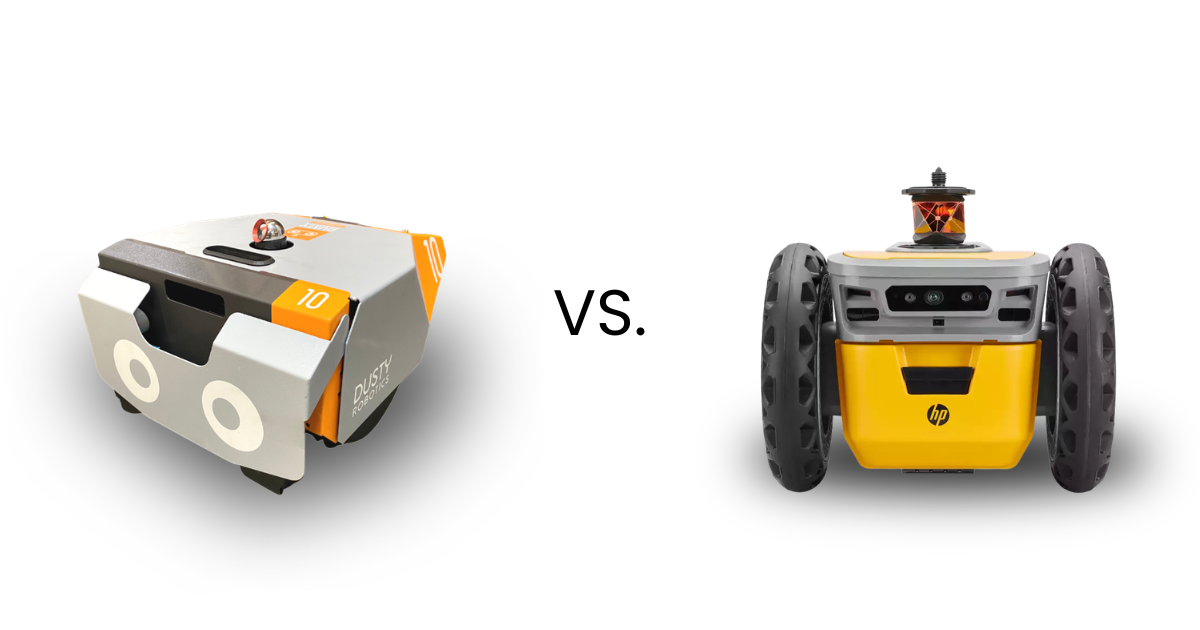
HP SitePrint vs. Dusty Robotics at a Glance
| HP SitePrint | Dusty Robotics FieldPrinter 2 | |
|---|---|---|
| Layout Accuracy | ±2 mm high-accuracy setup, ±3 mm standard | 1/16 in (1.6 mm), laser-tracker guided |
| Positioning | External robotic total station (you supply) | Self-contained laser tracker (included) |
| Surfaces | Concrete, tarmac, plywood, formwork, vinyl | Flat concrete slabs (interior primary) |
| Indoor / Outdoor | Both | Indoor primary; some outdoor documented |
| Output | Lines, text, arcs, points; multi-color ink | Lines, text, curves, points; 300 dpi, multi-color |
| Operation | One operator, web UI on any device | One operator, iPad app |
| Business Model | Purchase the robot + pay-per-use ink | Subscription only (robots-as-a-service) |
| Sold Through | Dealers (Site Precision) | Direct from Dusty |
| Availability | Global | North America Only |
How Each Layout Robot Works
Both machines do the same core job: take a coordinated 2D file exported from a BIM or CAD model and print it at full scale directly onto the floor, so crews build from marks on the deck instead of tapes, chalk lines, and paper plans. Both run multi-trade layout, both use a plug-in that runs in AutoCAD to prep the file, and both are designed to be run by a single operator. HP SitePrint also has a plug-in for Revit, which makes file preparation far less time consuming and tedious than working out of CAD. The difference is how each robot knows where it is.
Robotic Total Station vs. Laser Tracker
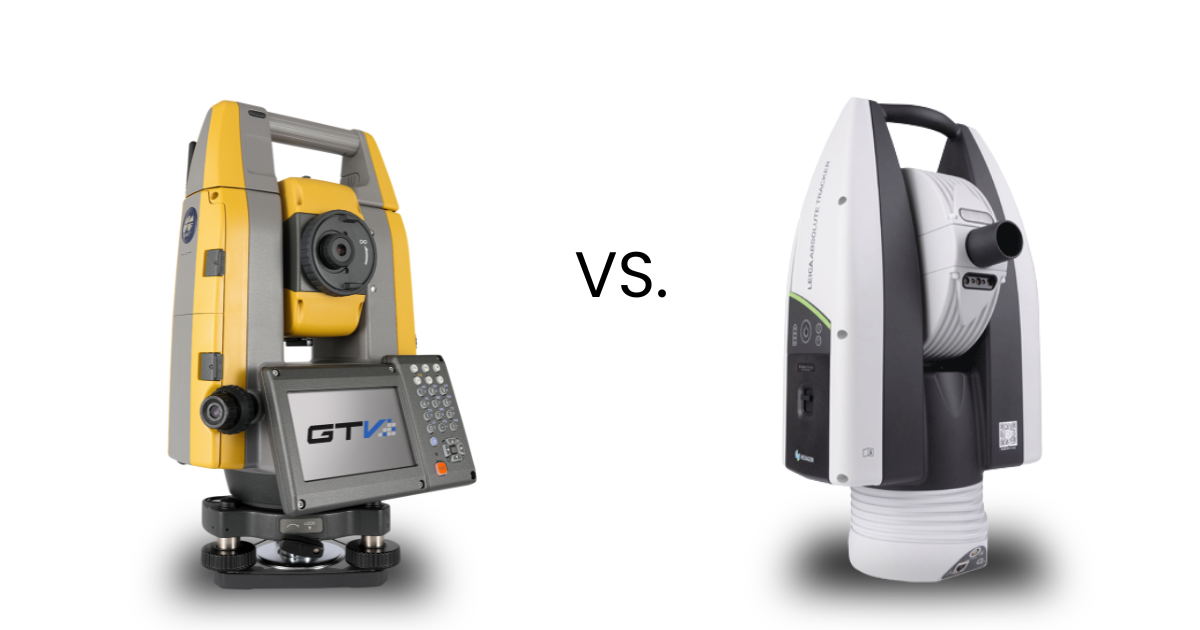
HP SitePrint uses an external robotic total station. The operator sets up the RTS, shoots at least two control points, then locks it onto a prism mounted on the robot. The total station tracks the robot as it prints, the same way it would track a prism pole. Most contractors are already familiar with how to operate a robotic total station, which makes setting up HP SitePrint a seamless experience. If you already run a robotic total station, SitePrint plugs into that ecosystem. If you do not, you will need one, which Site Precision can provide as part of the HP SitePrint package.
Dusty Robotics ships with its own laser tracker as part of the FieldPrint Platform. The robot is guided by that tracker and a fused sensor suite (IMU and encoders) that lets it keep printing accurately as it drives around the jobsite. Dusty’s laser tracker was built for controlled environments, not construction sites, and it carries a low IP54 rating as such. Everything comes from Dusty Robotics as one integrated package.
Accuracy
In the field, these two are effectively tied, and accuracy is not where the decision gets made. HP publishes a layout tolerance of plus or minus 2 mm with a high-accuracy setup (SMR prism, high-accuracy print mode, and a 1-second total station) and plus or minus 3 mm with a 3-second total station. Dusty states 1/16 inch (1.6 mm), guided by its laser tracker. Both land where contractors report consistent placement inside an eighth of an inch.
One nuance worth understanding: SitePrint accuracy is tied to the total station and the quality of your control points, so a better RTS and tighter control yields tighter layout. Dusty accuracy is fixed to its bundled tracker along with control points as well. Neither approach is wrong, but with SitePrint, you have the flexibility to choose which accuracy model best suits your needs and budget.
Surfaces and Jobsite Conditions
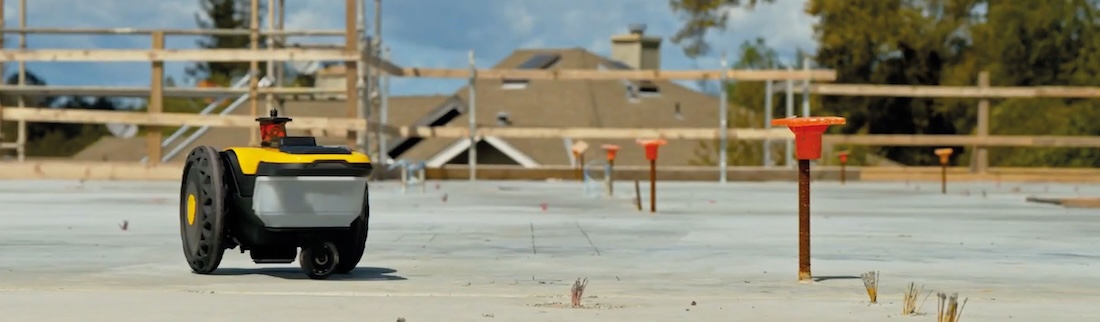
This is the first place the two genuinely separate. SitePrint is built for a wider range of surfaces and conditions. HP offers water and solvent-based inks, permanent and semi-permanent, that print on concrete, tarmac, plywood, formwork, and vinyl, indoors or outdoors, on dusty, damp, rough, and uneven surfaces, with tilt compensation built in. That makes it a fit for exterior site work, parking structures, and decks that are not finished slab. Additionally, SitePrint is able to run over obstacles up to 3/4in thick and continue to print accurately.
Dusty is optimized for flat interior concrete slabs, which is where the bulk of multi-trade layout happens. Outdoor tilt-up and residential foundation use is documented, but slab printing is its home. If your layout lives almost entirely on clean interior decks, that focus is a strength. If you move between interior, exterior, and odd substrates, SitePrint covers more ground.
Setup and Workflow
Dusty’s setup still involves learning how to operate the laser tracker that comes with the platform, so it is not quite the true all-in-one setup it is sometimes presented as. SitePrint uses a robotic total station instead, a tool that has been used on jobsites for decades, and most field crews already have some familiarity with it. For a contractor who already runs an RTS for layout and as-builts, that familiarity means reusing equipment and a workflow they already know, and rolling layout printing directly into it. For a contractor with no survey instrument at all, both platforms mean learning a new piece of positioning hardware, and the right conversation is which one makes more sense to invest in given the rest of their work.
Ownership vs. Subscription
This is the decision that matters most, and it is a business decision, not a technical one.
HP SitePrint is a robot you buy. You own the hardware and only pay for the amount you print. The usage cost covers ink, repairs, loaner units, office and field software, and more. For a contractor with steady layout volume, ownership turns a recurring rental into a depreciating asset and lowers the long-run cost per foot or point. You also control the schedule: the robot is there whether you have no active layout projects or five.
Dusty is subscription only. Dusty operates on a lease basis only. You pay for access to the FieldPrint Platform, with usage-based pricing proportional to layout scope, and you get the tracker, software, reporting, and support as one package. For a contractor who wants no capital outlay and zero ownership responsibility, that model is attractive.
Neither is universally cheaper. Medium to high, steady volume favors owning. Lower or variable volume, or a desire to avoid capital expense, favors subscription. Run your own annual layout volumes against both models before deciding.
Which Should You Choose?
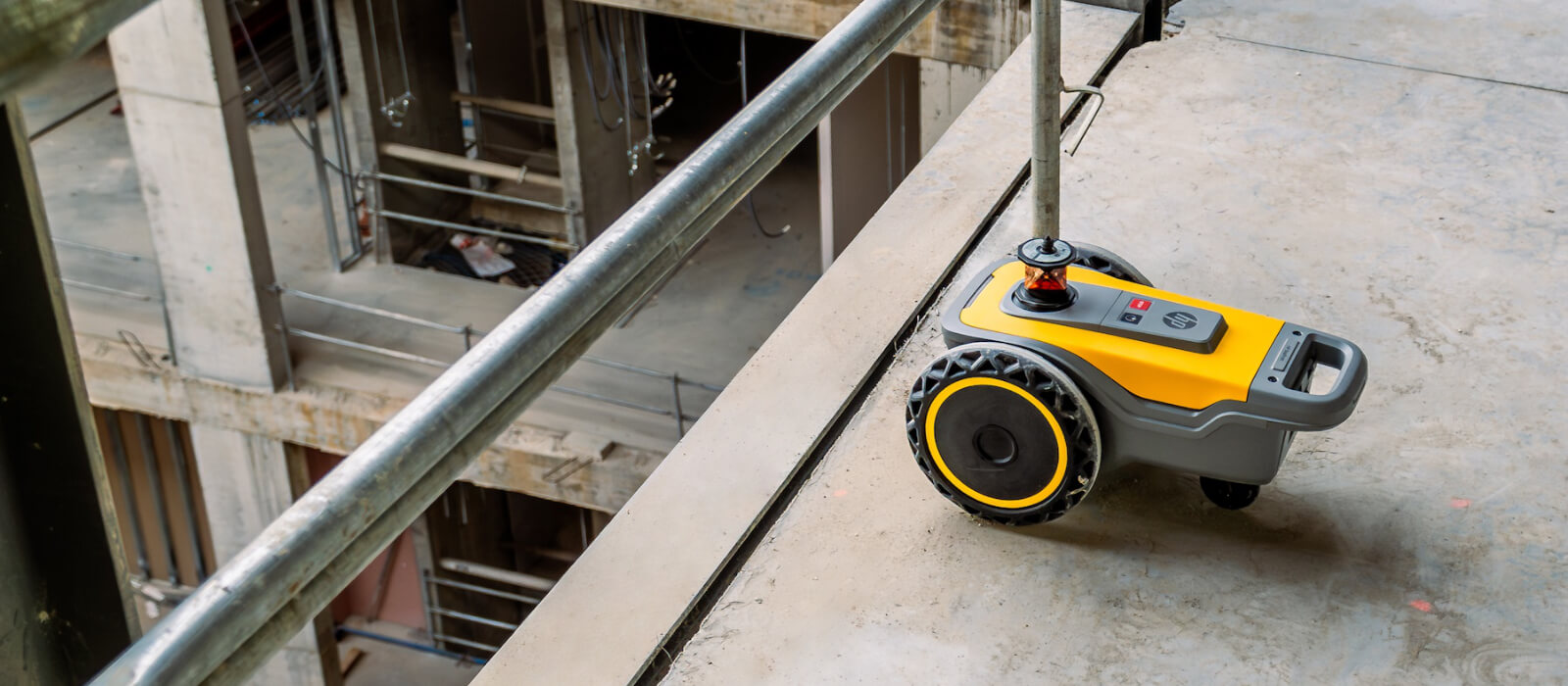
Choose HP SitePrint if you want to own your layout technology, you already run or are willing to add a robotic total station, you work across varied surfaces including exterior and non-slab substrates, and you want a local dealer for training, service, loaners, and integration with the rest of your layout and tech gear.
Choose Dusty Robotics if you want a zero-capital subscription, a fully self-contained single-vendor platform, and your layout is almost entirely high-volume interior multi-trade slab printing with deep VDC-to-field reporting. It’s worth noting that their main support center resides in California, so getting support in the morning for contractors in the Midwest and East coast can prove to be difficult due to time zone differences.
For most contractors building a layout program they intend to use for years, especially those who also need surveying and as-built capability, owning SitePrint and pairing it with a robotic total station gives the most flexibility and the lowest long-run cost, from a single partner who supports all of it.
See HP SitePrint in Action
Site Precision has delivered layout technology since 2001 and is an HP SitePrint certified partner. We help contractors choose between SitePrint, robotic total stations, and other layout methods, then handle training, file prep, service, and loaners so your program runs without gaps. Schedule a live HP SitePrint demo at your jobsite or our showroom.
Frequently Asked Questions
They are effectively equal in the field. HP SitePrint publishes plus or minus 2 mm with a high-accuracy setup and plus or minus 3 mm standard. Dusty states 1/16 inch (1.6 mm). Both consistently place points inside an eighth of an inch, so accuracy rarely decides the choice. Most of the accuracy boils down to how accurate your control points are on-site.
You buy HP SitePrint through a dealer and own the robot, then only pay for the area or points you print. Dusty Robotics is subscription only, sold direct as robots-as-a-service, so you never own the hardware. This ownership-versus-rental difference is one of the biggest factors in choosing.
Yes. HP SitePrint is positioned by an external robotic total station that tracks a prism on the robot, so you supply the RTS. Dusty includes its own laser tracker and does not need a separate instrument. If you already run an RTS, SitePrint reuses equipment you own.
HP SitePrint prints indoors and outdoors on concrete, tarmac, plywood, formwork, and vinyl, including damp, dusty, and uneven surfaces, using different ink types. Dusty Robotics is optimized for flat interior concrete slabs, with some outdoor use documented. SitePrint covers the wider range of surfaces.
Not entirely. Layout robots automate high-volume measure-and-mark work, especially dense multi-trade floor layout. A robotic total station still handles vertical layout, exterior staking, as-built capture, and verification. Most crews use both, and HP SitePrint actually requires an RTS to operate. With SitePrint, you can use the same RTS to do traditional total station staking and as-builts.
Pricing is quoted based on the contractor’s needs such as range, accuracy, and application. HP SitePrint is a capital purchase plus pay-as-you-go. Dusty uses usage-based subscription pricing tied to layout scope. The right comparison is your annual layout footage costed against both models. Contact Site Precision for an HP SitePrint quote.
Final Thoughts
HP SitePrint and Dusty Robotics are both excellent at the same core job: moving the coordinated model out an engineer’s office and onto the floor at full scale. The choice comes down to how you want to own it and where you work. Dusty is a clean, self-contained subscription for interior slab printing. HP SitePrint is a robot you own, runs on more surfaces, and folds into a broader layout and survey toolkit, with local support behind it. For a contractor building a layout program to keep, SitePrint is the more flexible long-term investment, and it is worth a hands-on demo before you decide.